
Cons of Waxing When thinking about waxing for hair removal, it’s essential to be aware of the potential drawbacks. While waxing can provide smooth skin for weeks, the pain, skin irritation, risk of ingrown hairs, expense, and hygiene factors are worth considering before making a decision. Pain One of the primary concerns is pain. Waxing …

Cons of Waxing
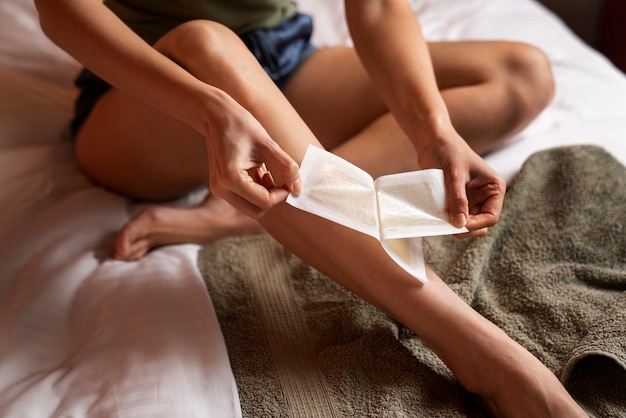
When thinking about waxing for hair removal, it’s essential to be aware of the potential drawbacks. While waxing can provide smooth skin for weeks, the pain, skin irritation, risk of ingrown hairs, expense, and hygiene factors are worth considering before making a decision.
Pain
One of the primary concerns is pain. Waxing involves pulling hair out from the root, which can be uncomfortable, especially in sensitive areas like the bikini line or underarms. For many, the short-lived pain is manageable, but it can be a deterrent.
Skin Irritation
Another downside is skin irritation. After waxing, it’s common to experience redness, swelling, or a temporary burning sensation. This irritation can last from a few hours to a couple of days, making it uncomfortable for those with sensitive skin. Additionally, allergic reactions to the wax or its ingredients can occur, leading to rashes or more severe skin issues.
Ingrown Hairs
Ingrown hairs are also a concern. They can happen when hair grows back into the skin instead of out. This can create painful bumps and sometimes results in infections. Regular exfoliation can help reduce the risk of ingrown hairs, but it’s still an issue many encounter.
Cost
Cost is another consideration. While a single waxing session might seem reasonable, the frequency of visits—typically every three to six weeks—can quickly add up, making it more expensive over time compared to shaving.
Hygiene
Lastly, hygiene is crucial. If you’re considering waxing at a salon, ensure the place maintains high cleanliness standards to avoid infections. If you’re waxing at home, use clean tools and follow proper techniques to minimize risks.
Pros and Cons of Brazilian Wax
One of the main advantages of Brazilian waxing is the cleanliness it offers. Many feel that a hair-free pubic area enhances personal hygiene, as it minimizes the trapping of sweat and dirt, providing a fresher feeling. Additionally, waxing can boost confidence, especially in intimate situations, since many individuals prefer the sleek look of a waxed area.
Brazilian waxing can enhance cleanliness and boost confidence but also carries risks related to hygiene, irritation, sensory loss, and increased vulnerability to infections.
Cleanliness
While a freshly waxed pubic area may seem hygienic, it comes with risks. After waxing, the skin is vulnerable due to microscopic wounds, which can expose individuals to infections, including herpes. This vulnerability is a substantial drawback to consider when opting for this hair removal method.
Lubrication
The removal of pubic hair also leads to a loss of natural lubrication. Pubic hair helps absorb moisture, protecting the skin from irritation caused by sweaty clothes. Without this barrier, individuals may experience discomfort, such as redness or chafing, especially in humid conditions. This can also heighten the risk of yeast infections and skin breakdown in sensitive areas.
Body Temperature
Pubic hair plays a role by releasing natural oils that cool the skin. The absence of this hair can lead to increased heat, potentially resulting in discomfort.
Moreover, pubic hair has sensory benefits. The follicles contain nerve endings that enhance sensation. Removing hair may diminish this sensory feedback during intimate moments, potentially affecting sexual pleasure.
While Brazilian waxing provides a smooth appearance, it does reduce the natural protective barrier that pubic hair offers against skin-to-skin contact and infections like genital warts. Although waxing can provide aesthetic benefits, these important protective roles of pubic hair should not be overlooked.


